
Pip: Hearts and Trade — where development economics meets the kind of wisdom that predates the World Trade Organization by several centuries.
Mara: Today we’re working through a piece from Elizabeth R. A Kiguli that uses a very specific image — a three-stone fireplace in a village — to make a case about trade, growth, and what Africa’s economies actually need to unlock their potential.
Pip: Let’s start with the fireplace itself, and what it has to teach us.
The village fireplace and Africa’s trade potential
Mara: The central question here is whether possessing resources is enough for economic growth — or whether something else has to be in place first, before any of that wealth can actually move.
Pip: The post opens with a memory: a grandmother’s fireplace that never went cold, tended by neighbors and community leaders alike, and the post draws the line directly — “everyone had an interest in keeping the fire alive.”
Mara: That’s the frame for everything that follows. The fireplace was the engine of the village not because of what it was made of, but because people kept feeding it. The parallel to trade infrastructure is deliberate and precise.
Pip: And the post doesn’t stop at metaphor. It names agriculture, minerals, services, human capital, entrepreneurship, and innovation as the recognized backbones of African economies — then argues trade is the connective tissue that determines whether any of those assets actually produce growth.
Mara: The Bill Gates example makes this concrete. The post puts it plainly: “Innovation gave him a valuable product, but trade enabled him to scale it, reach markets, and create even more value. An idea sitting on a shelf changes little.”
Pip: Which is a polite way of saying that a brilliant idea trapped behind bad infrastructure, slow customs procedures, and disconnected markets is basically just a very expensive shelf decoration.
Mara: The post is direct about that gap. Many African countries export minerals in raw or lightly processed form and import them back as finished, higher-value goods. The resource is there. The value capture isn’t.
Pip: King Solomon gets a mention here too — not for his wisdom in the abstract, but specifically because he traded strategically, leveraged partnerships, and transformed what his kingdom had into lasting wealth.
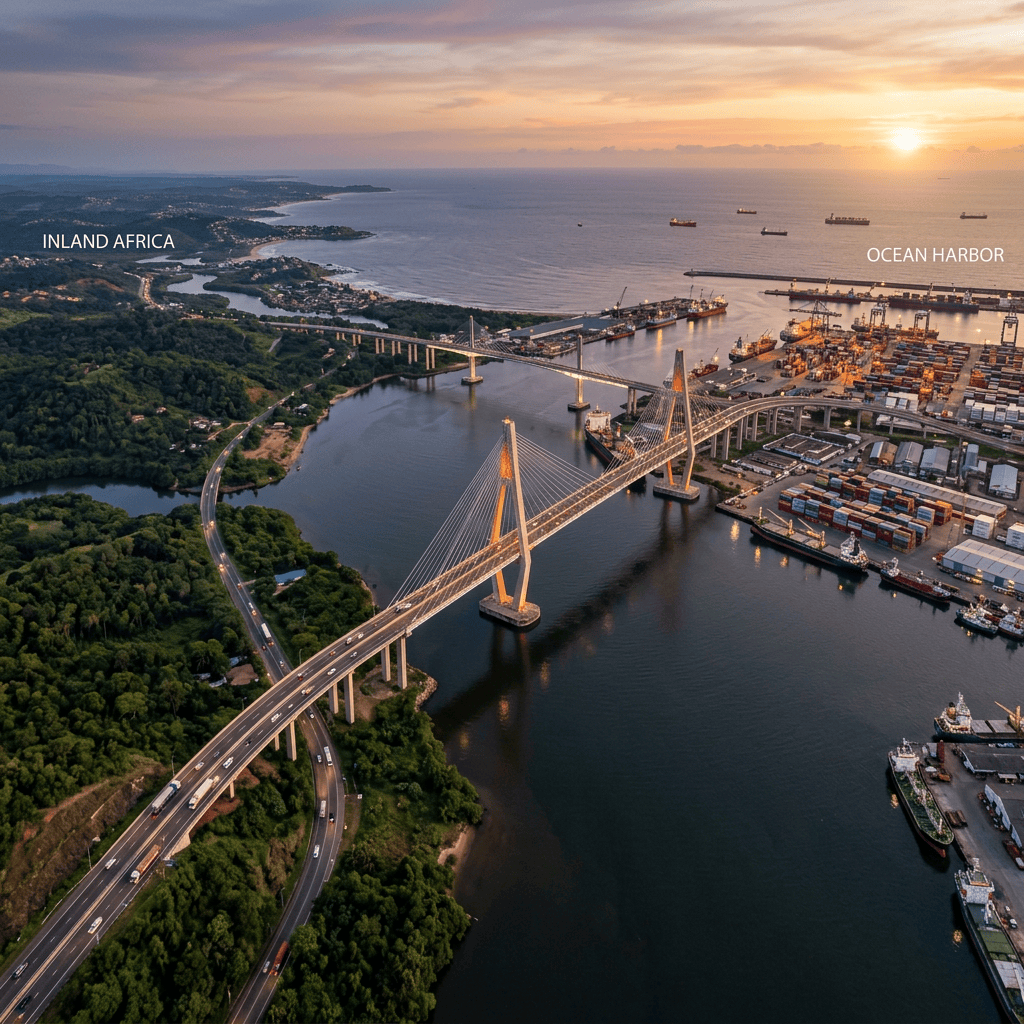
Mara: The prescription follows naturally: if infrastructure blocks trade, prioritize infrastructure. If procedures delay it, simplify them. If markets are disconnected, link them — roads, railways, air, digital. The fireplace needs tending by everyone who benefits from its warmth.
Pip: And the argument is that the benefits really are shared — which means the responsibility for keeping the systems alive has to be shared too, across governments, businesses, and citizens.
Mara: The fireplace image holds because it’s not sentimental — it’s structural. Shared benefit requires shared maintenance.
Pip: Next time, we’ll see what else is being built around that fire.


 Hearts & Trade
Leave a comment