By Elizabeth R. Auma K, Trade Policy Leader/Bridging Policy, People & Purpose/ Founder, Hearts&Trade
Today, I listened to Ursula Von Der Leyen, President of the European Commission, deliver the State of the Union address. One statement stayed with me: Europe’s fate must remain in the hands of Europeans. It was a powerful statement not only for Europe, but for Africa to reflect on.
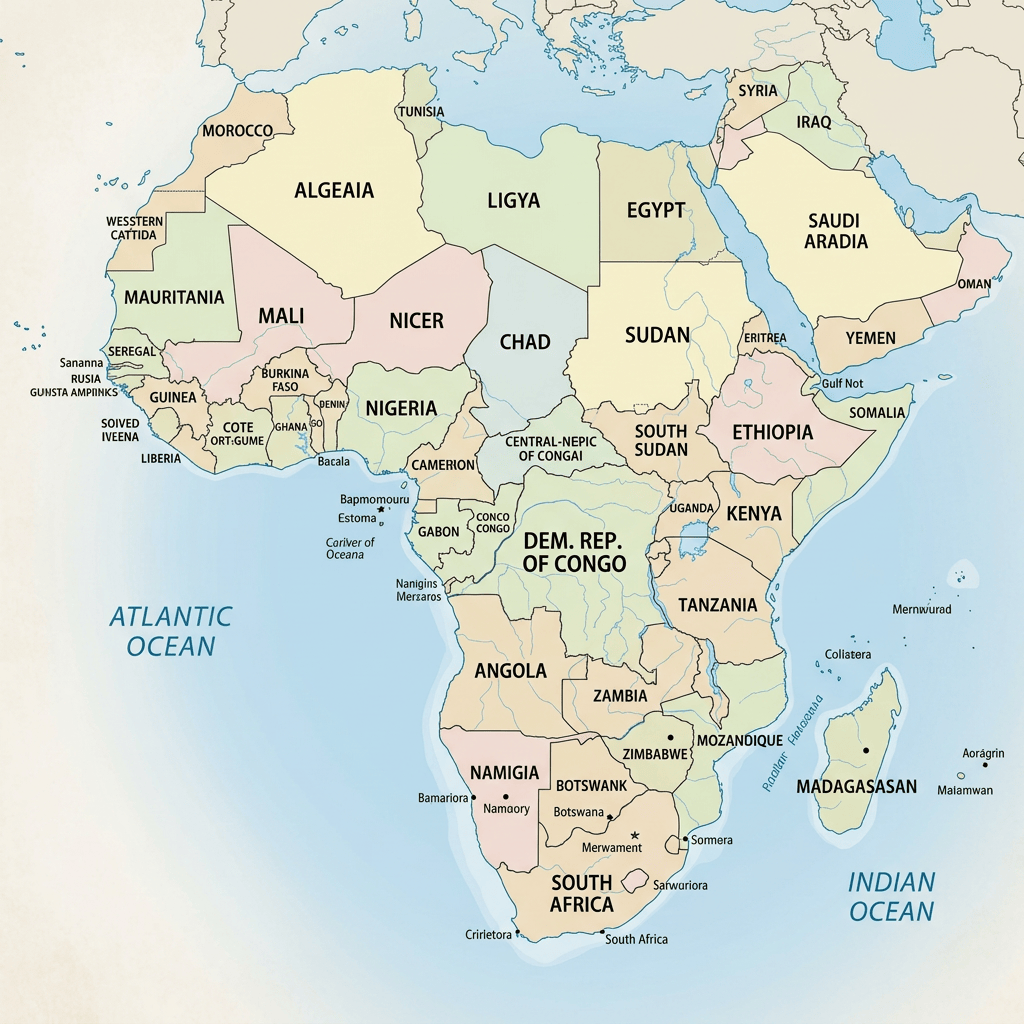
She spoke about protecting the European idea in a global system increasingly characterized by tension, uncertainty, and rapid change. It made me think about Africa and, particularly, the trade agreements that have become pillars of our regional and continental integration, from the EAC and COMESA to the Tripartite Free Trade Area and the AfCFTA.
Then I began asking myself a difficult question. Can Africa confidently say that Africa’s fate must remain in African hands? Maybe yes. Maybe no. The point is not necessarily the answer. The point is whether we have built enough capacity to say so confidently.
Africa has over the years received significant external support for trade-related programs, infrastructure, institutional development, and other areas of economic transformation. Much of this support is valuable and has helped advance important agendas. However, we need to focus on how to finance the priorities we have identified for ourselves? Someone once said, ‘There is no free lunch in a capitalist economy.‘
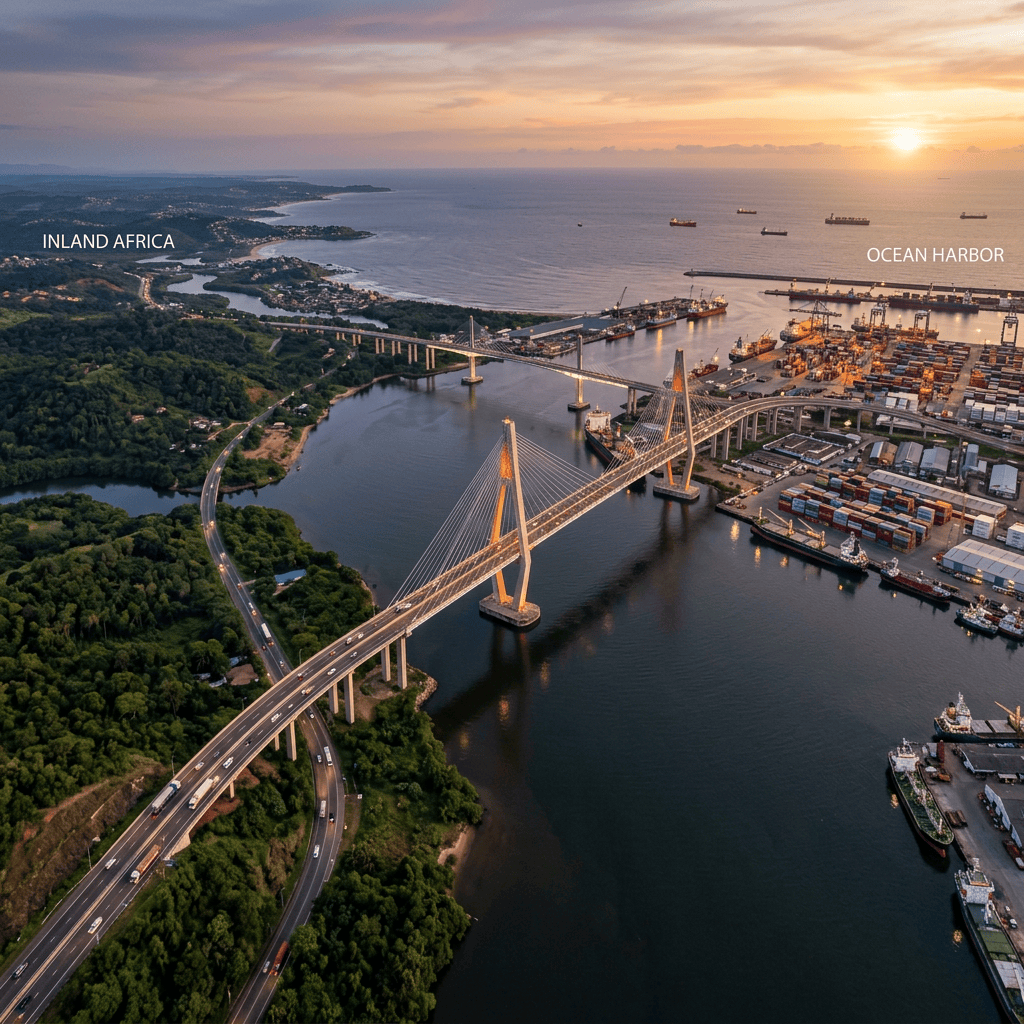
The more I think about it, the more I appreciate the statement. Africa operates within a global capitalist economy. In such an environment, nobody is obliged to finance another person’s priorities indefinitely. Investment usually comes with an interest, an exchange, a return, or a strategic reason. The question is not whether others should support Africa. They should. The bigger question is whether Africa is investing enough in itself to make bold statements. If we know that infrastructure is holding back our trade, let us invest in infrastructure. If we know that our industries need to move from exporting raw materials to exporting value-added products, let us invest in processing, technology and innovation. If we know that regional integration is essential, let us finance the systems that make integration real, not just agreements that make it sound good on paper. If we know what will make Africa competitive, then our resources should go there. If we know that connectivity across the continent is a problem, then let us invest in the necessary infrastructure.
One source of strength for large economic blocs is not simply the size of individual countries, but the ability to create a larger economic space where the strength of one becomes part of the strength of many. A real 1.4 billion market is better than a 45 million market. One country’s negotiating position differs from a continent’s collective negotiating position. A railway connecting one city is useful. A railway network connecting countries creates something much bigger. Africa’s unity, therefore, must be more than something written into agreements.
Unity must be seen in how we negotiate, how we finance our priorities, and how Mama Saraha moves goods, services, capital, and ideas across the continent with increasing ease.
Even the Bible gives us a powerful reflection on the strength of unity. The story of the Tower of Babel shows what can happen when people act with one purpose and a common language. Whatever lesson one draws from the story, one principle remains striking: collective action has power.
Unity for Africa looks good, but it comes at a cost. The cost is the willingness to put aside certain individual interests for a greater collective interest. Sometimes you have to say no not because something is bad for one country, but because it may be necessary for the region’s progress. It means being willing to take both the fall and the glory. It may not be easy, but that is the price of becoming a serious economic bloc.
The President of the European Commission was speaking to Europe, but I could not help hearing a message for my beloved Africa. If we want Africa’s fate to increasingly be in African hands, then we must build the capacity to hold it. We must produce, trade, invest, innovate, and finance the priorities we ourselves have identified, on our terms. Because there is, indeed, no free lunch in a capitalist economy.
If we want to determine our own economic destiny, we must be willing to invest in it. Africa cannot run a relay where every runner protects only their own lane. At some point, we have to protect the baton as a collective.

 Hearts & Trade
Leave a comment