
By Elizabeth R. Auma K, Trade Policy Leader/Bridging Policy, People & Purpose/ Founder, Hearts&Trade
I recently purchased a roundtrip air ticket from Uganda to Tanzania, the United Republic. I could not imagine that the cost of carrying myself across to a neighboring country could be as high as USD 560. If reaching our neighbours costs this much, how close are we really?
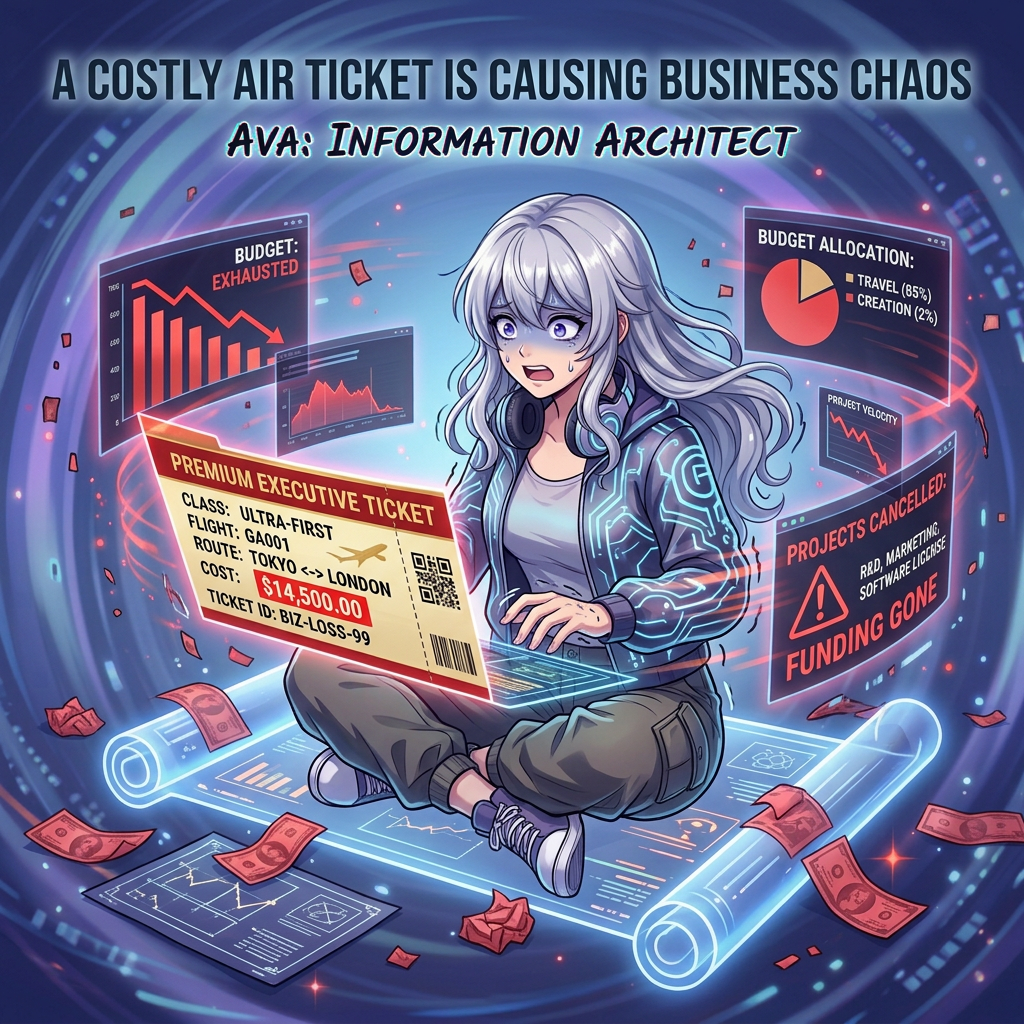
I immediately thought of a Mama Sarah who needs to travel as quickly as possible to attend a business meeting that could determine the fate of her business partnership. For her, USD 560 is not simply the cost of a ticket. It could be capital for her business, money for her next shipment, or several weeks of income.
Then I thought about the interconnection between many European Union countries. If a flight is expensive, there are often alternatives. I could take a train or a scheduled bus service and still reach my destination less inconvenienced. I then reflected on railway systems in countries such as China and Japan, where extensive networks allow people to move across vast distances through connected, predictable transport systems.
Yes, I know that comparing East Africa with the European Union, China or Japan may seem a little too ambitious. But since this is where we say we want to go with East African Community integration, the comparison may be appropriate. If integration is our destination, we must be willing to examine the infrastructure that will take us there.
This ticket experience also reminded me of another occasion when my ticket was rescheduled as I was on the queue to the boarding gate. I was supposed to defend and represent my country interest at a meeting. We were later informed that the flight had been overbooked. The airline offered compensation and hotel accommodation. Some of us quietly discussed taking legal action, but the cost and effort of pursuing a giant airline seemed greater than what we stood to take at the time. In the end, we complained, accepted the hotel, and missed the first day of the meeting.
Then a friend told me of another experience that left me thinking. He had to travel out of Africa and then back into Africa simply to reach his final destination because of limited flight options.These experiences made me ask a bigger question. How connected are we really, if reaching our neighboring countries sometimes requires so much time, money, and effort?
I have revisited some of the work of the East Africa Business Council, including its concerns about the cost of air travel within East Africa and the measures needed to improve regional connectivity. This is not a new conversation. The private sector has raised it repeatedly, and governments have spoken about improving connectivity. Yet the question remains: If we know the problem, why does the cost of connectivity continue to undermine the very market we are trying to build?
As a trade policy analyst, I have come to appreciate that when we talk about the movement of goods, we cannot ignore the movement of people. Goods do not negotiate contracts by themselves. Businesses do not attend exhibitions by themselves. Manufacturers do not meet buyers by themselves. Investors do not explore new markets by themselves. Neither do government officials do not negotiate agreements by themselves.
In other words, there is no meaningful movement of goods without the movement of people behind those goods. This is one of the lessons I believe Europe understood early. Regional integration is not only about removing tariffs. It is also about making it easier for people to move, connect, work, trade, invest and do business across borders. It is about creating families beyond borders.
Every expensive air ticket is therefore a cost on the connectivity agenda of the East African Community we all want to see. It raises the cost of attending a trade fair in another EAC country; the cost of meeting a potential business partner; the cost of exploring a new market; the cost of regional investment; and, eventually, the cost of integration itself. On many occasions, I have seen expensive air tickets become a hidden tariff on regional integration. Not just in price, but in abruptly canceled flights and last-minute rescheduling.
Back in school, we were taught that progress often comes with an opportunity cost. The question then becomes: what are we willing to give up in order to achieve the EAC integration we say we want?
The private sector has long called for greater competition and more openness in the aviation sector. Could this be part of the answer? Competition forces businesses to become more efficient, more innovative, and more responsive to their customers. It can also force businesses to improve or risk losing their market.
East African aviation has its own realities. The region is said to have fewer passengers on some routes, high operating costs, and other factors that can make regional flights expensive. But I cannot help but ask another question: Could low passenger numbers partly be a consequence of high ticket prices? And as they say, it’s the chicken-and-egg situation. I believe the chicken came first, so in this case we ask which is the chicken and which is the egg. Or it could be a cycle. Flights are expensive, so fewer people travel. Fewer people travel, so passenger volumes remain low. Low passenger volumes make some routes difficult to sustain. The cost remains high. What if we deliberately broke that cycle?
What if a Ugandan entrepreneur could choose another flight or train instead of a limited range of expensive flights, or have several competitive alternatives for traveling to Tanzania, Kenya, Rwanda, or elsewhere in the region? Imagine a region where, if flying isn’t the most efficient option, a well-connected railway can provide an alternative. What if you could travel from Kampala to Nairobi or Dar es Salaam by rail, pass through beautiful landscapes, make tourism part of the journey, and still arrive in time to conduct business? That is the kind of market we should be thinking about.
We speak extensively about Non-Tariff Barriers at our borders. We have systems for identifying and reporting barriers that affect the movement of goods, such as the EAC NTB reporting app. It is time to deepen the conversation and begin asking about barriers in the sky.
- What happens when the flight you paid expensively for is canceled?
- What happens when there is no affordable alternative?
- What happens when the flight schedule makes it impossible to attend a meeting?
- What happens when the cost of a regional business trip becomes so high that a small entrepreneur simply decides not to go?
- And what happens to Mama Sarah, who may be taking her first flight to meet a business partner or exhibit her products in another EAC country meets a canceled flight poster at the airport?
For Mama Sarah, an expensive ticket is not simply an inconvenience. It could consume money that would otherwise have gone into production, packaging, and marketing.
If a Ugandan entrepreneur can reach the rest of the World more conveniently than they can reach another East Africa Community capital, something deserves closer examination. The question may no longer be simply about the price of a plane ticket. It may be about the price we are willing to pay for the East African Community we say we want.
My expensive journey to my neighbor reminded me that the African dream requires seamless connectivity. The Africa we want to build cannot remain expensive to reach, especially for Mama Sarah.

 Hearts & Trade
Leave a comment