
By Elizabeth R. Auma K, Trade Policy Leader/Bridging Policy, People & Purpose/ Founder, Hearts&Trade
Every time I visited my grandmother in the village, one thing was certain. There would be a three-stone fireplace that never seemed to go cold. It was always fed with either huge logs or small pieces of timber depending on the occasion. It was where meals were prepared, stories were told, and families gathered for warmth after a long day.
Today, as I reflect on it, I realize that everyone had an interest in keeping the fire alive. If a neighbour passed by and found it dying out, they would throw in a piece of firewood or help reignite it. If the lay leader passed by, he blessed the home for having a warm place. They understood that the warmth, the meals, and the life around the fireplace benefited everyone. In many ways, it was the engine of the village.
Today, countries speak of agriculture, minerals, services, or human capital as the backbones of their economies. Unto this is added entrepreneurship, innovation, productivity as the stimulators of these resources. To this, I totally agree. In addition to this truth, through the years, I have come to appreciate trade as a key player at the centre of each of these resources in relation to economic growth. No matter how much innovation, talent, or natural wealth a country possesses, if it cannot effectively exchange what it produces with the rest of the world, its growth potential remains constrained.
Take Bill Gates for example. His wealth did not only come from having an innovative idea. Innovation gave him a valuable product, but trade enabled him to scale it, reach markets, and create even more value. An idea sitting on a shelf changes little. An idea that reaches millions through trade transforms economies. Governments therefore need to create or strengthen avenues through which what is produced, created, or innovated can reach the market efficiently.
Trade connects resources, innovation, and skills to vast opportunity across the globe. Once that connection is made, the next question becomes how much value a country derives from its trade. That is where competitiveness, value addition, sustainability, and economic security enter the discussion. Many countries in Africa possess vast mineral wealth, yet they are not among the world’s richest economies. Much of their mineral output leaves the country in a less processed form and returns embedded in higher-value products. This reminds us that possessing resources alone is not enough. What matters is how those resources are positioned within trade.
Even King Solomon, the wisest king, understood the importance of exchange. He traded what his kingdom produced, leveraged partnerships, and transformed resources into wealth. His kingdom became an admiration to many, not merely because of what it possessed, but because of how wisely it utilized and exchanged what it had.
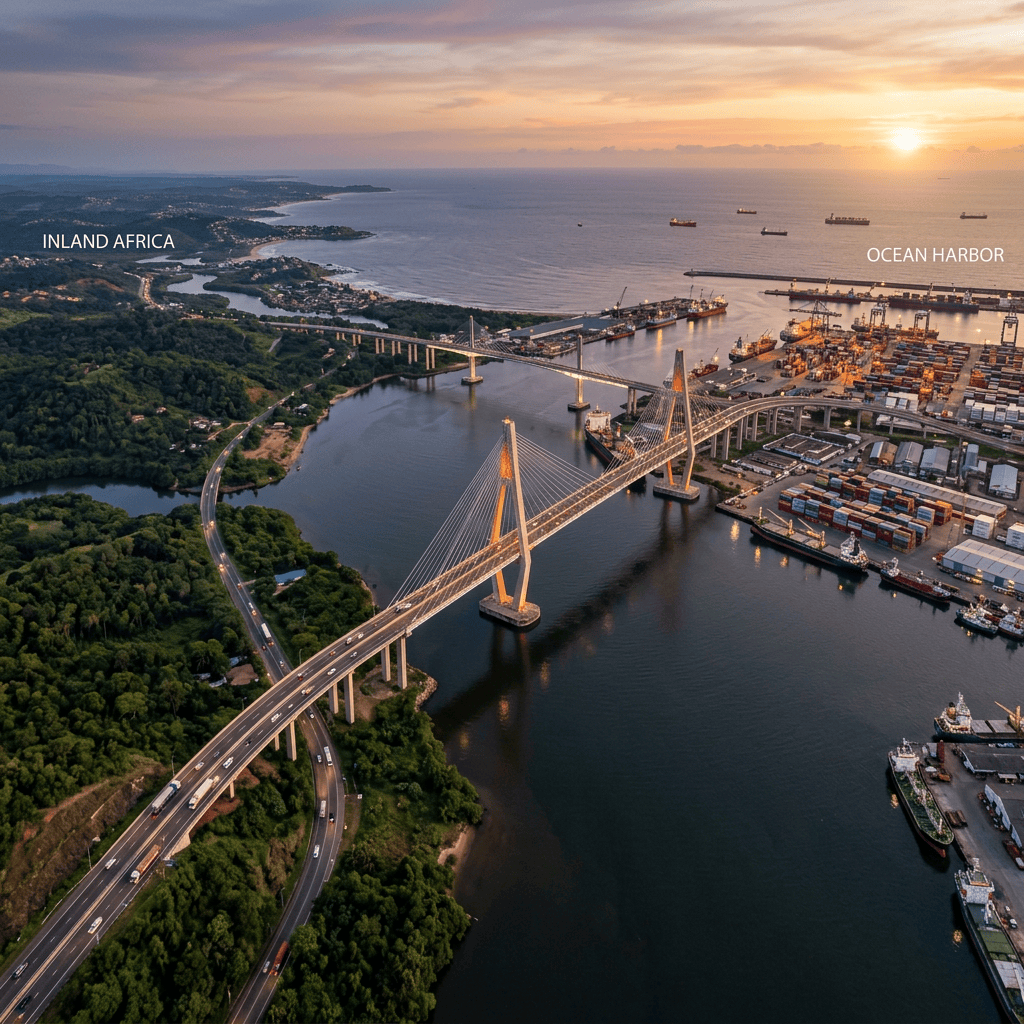
Africa, much like the village surrounding the three-stone fireplace, has much to trade. The challenge is often not the absence of opportunity, but the barriers that prevent opportunity from reaching the market. If infrastructure hinders trade, then infrastructure must become a priority. If procedures delay trade, they must be simplified. If markets remain disconnected, they must be linked through roads, railways, air transport, and digital connectivity.
Everyone understood the importance of keeping the fireplace alive because the benefits were shared by all. In the same way, every stakeholder in Africa’s development journey must play a role in sustaining the systems that facilitate trade.
We know what must be done. Governments, businesses, traders, and citizens should all have an interest in keeping trade flowing because the benefits are shared across the economy and the region. Just as the village protected its fireplace, we must collectively protect and strengthen the infrastructure, systems, and partnerships that keep trade moving.


 Hearts & Trade
Leave a comment