By Elizabeth R.Auma K
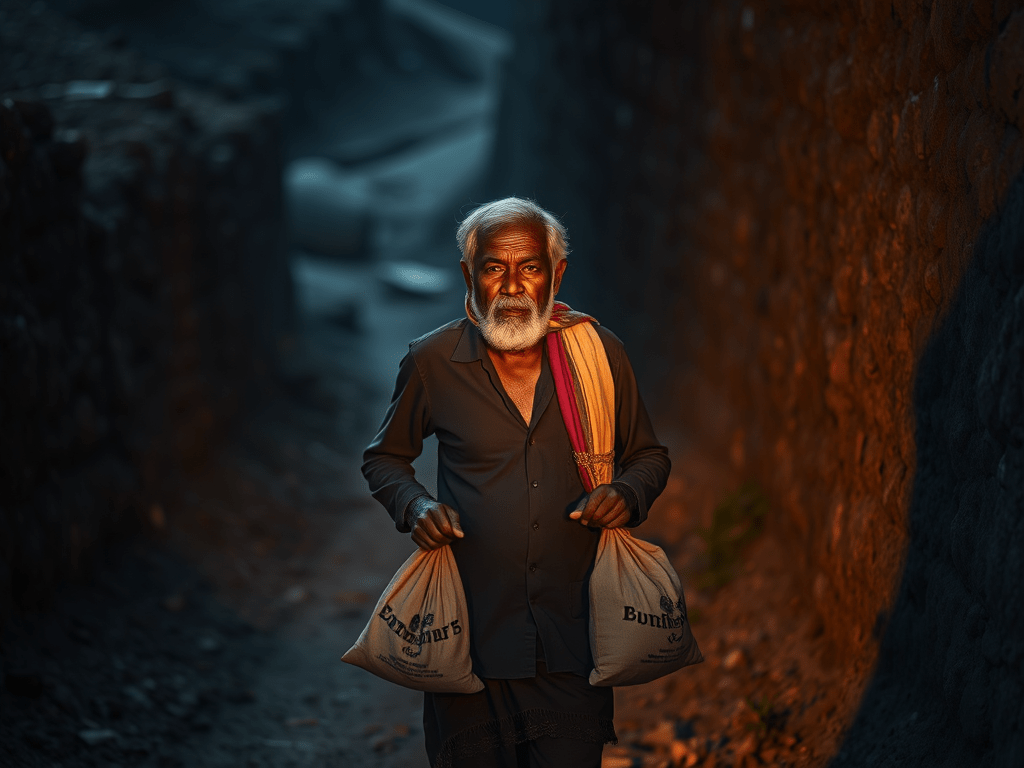
Tata Nambi (Nambi’s father), like Mama Sarah, wakes long before the sun casts its light on the rugged path from his home to the main road. He walks to the market along a dark, narrow path, seemingly unafraid of the thugs people warn about. He is not fearless. Rather, the cost of arriving late seems higher than the risk of being harmed. Missing the market means missing the day’s meal.
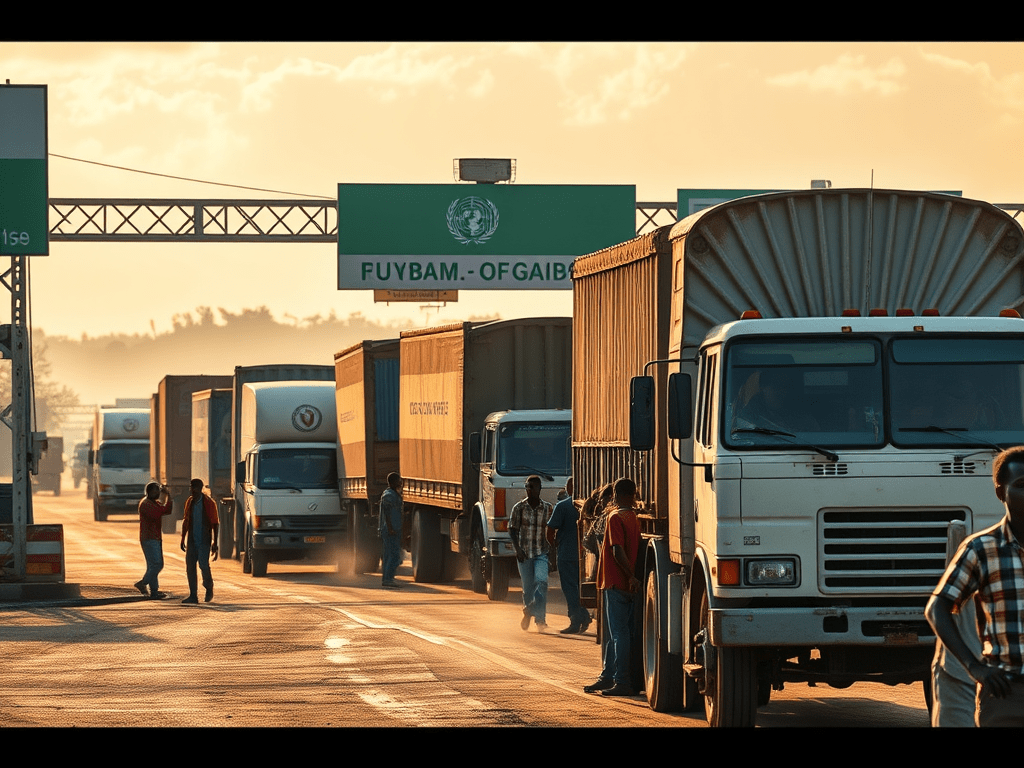
At the market, he collects the produce that falls from the early-morning trucks as they offload their fresh produce. He sells what he can for any amount that can buy the cheapest meal, probably less than a dollar. This routine has become his daily reality. He is not alone. He is slowly introducing this path to his young son. He follows what his father did to him when he was about the same age, only a little younger. The tradition must continue. The option of a government school continues only if the head teacher does not ask for any financial contribution. A uniform is whatever comes close to what others wear, or until a kind onlooker intervenes.
Living in constant scarcity shapes how Tata Nambi understands life. When survival is uncertain beyond the next 24 hours, the world narrows to food and staying alive. In such a state, any form of guidance that points beyond survival can feel distant, even irritating. Sometimes it is not because of unwillingness, but because of the weight of circumstance. Tata Nambi is one of many who work to survive, not to prosper. His state may not be by choice, but rather because structural constraints limit his options. This is the lived reality for many in least developed economies, moreso in the rural areas. In these places, economic growth may fail to translate into improved livelihoods for ordinary citizens. According to the United Nations, forty-four countries are categorised as least developed. Thirty-two in Africa; Eight in Asia; Three in the Pacific and One in the Caribbean.
I have known and interacted with many who live hand to mouth- survival mode. For them, tomorrow rests with the One who created them. Such lives should not be judged without first examining whether real opportunity ever existed. The responsibility may not lie solely with the individual. Multiple factors shape these outcomes, including access to markets, healthcare, education, finance, infrastructure, and supportive policy environments.
From a trade policy lens, the harder question confronts those of us who sit at the tables of decision-making: What have we done to ensure that Tata Nambi’s life extends beyond survival? What policies have we designed and implemented to move families like his from a hand-to-mouth existence into shared prosperity? What are we doing to ensure his son does not build a family legacy on the survival mode?
Scripture reminds us that “the poor will always be among us.” This is not an excuse for policy to prioritise only those already positioned to thrive. Policy, by design, must be inclusive. Its purpose is not merely to reward success, but to expand opportunity, creating pathways that enable citizens to move from survival into dignity and productivity.
The burden of persistent poverty is not confined to the walls of one household. Its effects spill into the streets, into social cohesion, and into security. When large sections of a population remain excluded from opportunity, resentment can grow, and social cohesion weakens. Policy design and implementation that ignore this reality do more than fail the poor. They destabilize society as a whole.
Inclusive policy does not mean enabling idleness, unlawful conduct, or disorderly behavior. It means creating environments where effort can translate into progress. Markets should be accessible, information must be reachable, and Finance accessible. Systems should work for those at the margins as much as for those at the center.
Thoughtful policy must therefore do more than manage growth statistics. It must translate growth into opportunity. My yardstick for policy success is not how well it reads in strategy documents, but:
- How visibly it shifts lives from survival to prosperity and
- Whether it is shaped through the lens of humanity, not individuality.

 Hearts & Trade
Leave a comment