
By Elizabeth R.Auma K
There are advantages to sitting in the kitchen. You know what went into the meal, what mishaps occurred along the way, and what made it beautiful in the end. There are also lessons to be learned from sitting at the table, where the meal is either enjoyed or quietly rejected with polite remarks such as, “Lovely meal, but I’ll just have this piece.”
Sitting at the heart of Uganda’s trade policy is like being in the kitchen. You see what goes into the process, what is included, what is excluded, what is debated, reviewed, and negotiated. But as citizens, we policymakers also sit at the table. That is where we experience the outcome of what we cooked in the kitchen. It is often at the table that one realizes which discussions were missed, which issues were overindulged, and which practical realities were underappreciated. From sitting in both spaces, here are a few reasons why trade policy fails:
Trade Policy fails when systems fail
Trade Policy which guides trade, does not fail because of a lack of opportunity. Trade is markets and markets exist. With over 1.4 billion people in Africa, more than 4 billion in Asia, and over 8 billion people globally, the world is so interconnected that opportunity cannot be absent. The ability to reach the markets, therefore, fails when systems fail traders.
The cost of developing trade policy is too resource-intensive and time-consuming for it to collapse at the point of execution. Yet, it is important to recognize that resources invested in policy processes only yield outcomes when commitments are implemented. My late father used to say, “The world is too big to fight for opportunity there is always enough; you just need to find where it is.”
Infrastructure gaps
One of the biggest trade policy failures is the inability to put in place the infrastructure required to support signed commitments. Roads, border facilities, digital systems, standards, laboratories, and logistics corridors are not accessories to policy; they are prerequisites. Agreements without supporting infrastructure remain aspirations on paper.
Taxing competitiveness
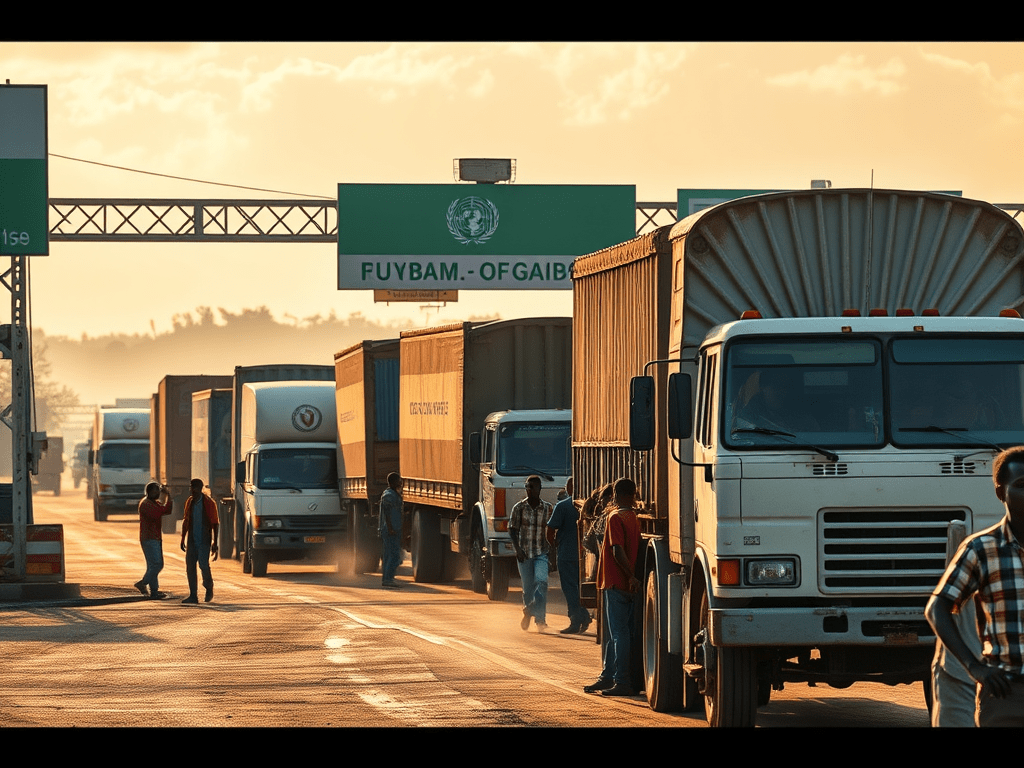
Time and tide wait for no trader.’ As trade is delayed, the clock is ticking, tic- tok- tic- toc. Even where tariffs have been removed, delays at border posts or within domestic systems act as a tax on competitiveness. I recently visited the Uganda–Kenya Busia border. Tariffs between the two countries have largely been eliminated, a positive step. However, every additional day a trader spends at the border is a cost to competitiveness. Delay is a costly tariff.
In a globalized economy, a tax on competitiveness weakens the entire economy. This “time-delay tax” may not directly reflect how much has been lost but it sure does not generate revenue for government. It represents lost income for traders and lost growth for the economy.
Inconsistency in implementation
There is power in consistency. When trade policy implementation is inconsistent, stakeholders lose confidence in the system. This uncertainty creates room for inefficiency and corruption, both of which further tax competitiveness. Few things are more costly to an economy than undermining its own competitiveness through unpredictable implementation.
Non-Tariff Barriers
When traders encounter Non-Tariff Barriers (NTBs), they begin to undermine regional integration. They question why governments continue to tax them to spend money signing agreements that do not translate into reality on the ground. Traders understand one simple principle: when a deal is signed, there should be value in it.
Conclusion
Trade policy does not fail in the kitchen; it fails when what is prepared there is not served faithfully at the table. Bridging this gap requires systems that work, infrastructure that supports commitments, time-efficient processes, consistent implementation, and genuine respect for the trader who lives with the outcomes of policy decisions. Only when the kitchen and the table speak the same language can trade policy truly deliver.



 Hearts & Trade
Leave a comment