By Elizabeth R. Auma K
In some African cultures, there is a belief that when someone dies, they are reborn in another form. I have found this metaphor painfully true in the lanes of trade. Even science reflects this truth: matter occupies space, when one form is removed, another takes its place. In every sense, something is always being born. This is why, in trade and in policy, nothing truly disappears, it often only changes form, sometimes for better or worse, depending on where one is standing.
The original call in every regional and global agenda was to remove tariffs to simplify cross-border trade. And indeed, removing tariffs made a difference. It reduces costs, shortens timelines, and gives hope to small and medium exporters trying to compete. Every trader longs for the experience of arriving at the border and knowing they do not have to pay to move their products.
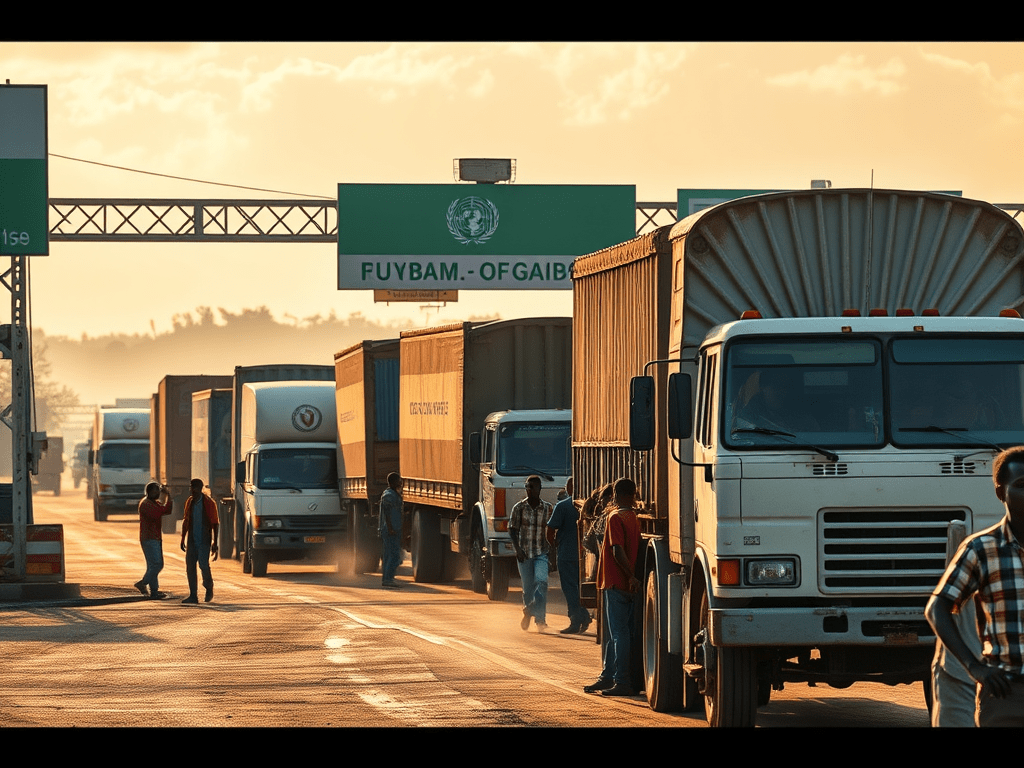
Yet, as with death in the metaphor, nothing truly disappears. The “death” of tariffs gave birth to Non-Tariff Barriers (NTBs). Ambiguous requirements often feel more unbearable than a clear, known tariff. Mama Sarah and her women group may prefer paying a predictable cost, such as US$ 5,00 per every five consignments. This is better than being told at the border that their product does not meet a packaging or size requirement. The latter forces them to reorder packaging, incur unexpected costs, delay delivery, and sometimes lose contracts altogether. These are costs that were never anticipated when production began. So, the question lingers; why do nations give birth to what they have decided to kill simply in a different form?
For many reasons, countries continue to create non-tariff barriers in shifting ways. The challenge with NTBs is that they carry the same name but wear different faces. They change whenever the imposing party feels the need to protect domestic interests, adapt to manage political pressure respond to private sector pressure or respond to regulatory gaps. Therefore, if protection cannot be achieved through tariffs, it often reappears through standards, procedures, delays, or vaguely defined requirements.
But what is the real cost of this to the trader?
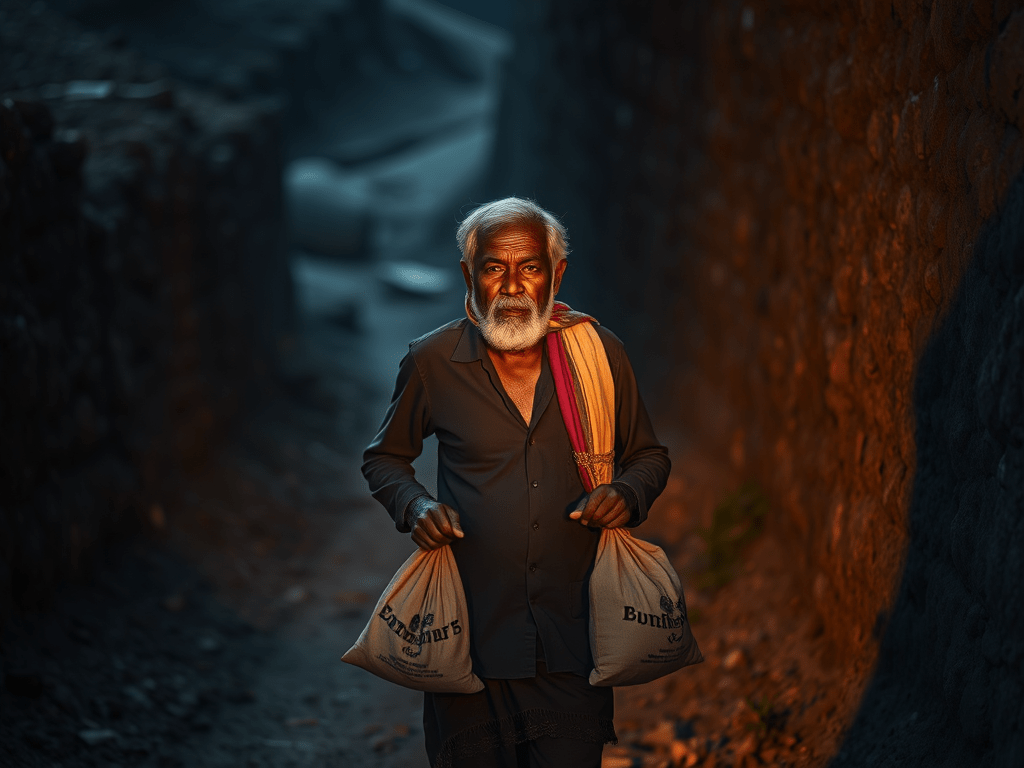
Consider Mama Sarah. She is a first-time exporter who has borrowed funds and pledged her assets as collateral. She invested in production for the export market. Unfortunately, she is stopped at the border because the packaging does not meet a newly emphasized requirement or the size specification. The financial, emotional, and reputation cost can be devastating.
One might argue that she should have studied the market requirements. That is, indeed, part of trade. But what if her only access to information came through authoritative speeches by Trade ministers on the evening news, delivered in her local language? What if she relied on the message that trade between the two countries attracts no fees and planned accordingly?
She may not be formally trained in trade procedures. She may not have access to detailed policy documents or regulatory updates. Yet she acted in good faith on what she understood. Unfortunately, trade does not work on good faith but on compliance to whatever is required. This is where the cost of non-tariff barriers becomes painfully human.
As I continue to review policy documents and sit in negotiation rooms, one question persists in my mind: How do we move from committing to eliminate non-tariff barriers to actually dismantling them within our regional blocs? Until we do, tariffs may die on paper but non-tariff barriers will continue to be reborn at the border.


 Hearts & Trade
Leave a comment